


ISO
What is ISO?
What is the International Organization for Standardization (ISO)?
The International Organization for Standardization (ISO) is a non-governmental international organization that develops and publishes various standards across different fields. Its objectives are to facilitate international trade, enhance the quality and safety of products and services, and protect the environment. To date, ISO has published over 24,375 different standards covering nearly all industries.
Why are ISO standards important?
- Improved Quality and Efficiency:ISO standards help organizations enhance their processes, improve product and service quality, and increase efficiency.
- Increased Customer Satisfaction: By focusing on customer needs, ISO standards assist organizations in boosting customer satisfaction.
- Access to Global Markets: ISO certification can help organizations enter global markets and gain a competitive advantage.
- Cost Reduction: ISO standards help organizations reduce costs by optimizing processes and minimizing waste.
- Enhanced Safety and Health:Some ISO standards specifically focus on workplace safety and health, helping organizations provide a safe and healthy environment for their employees.
Key ISO Standards:
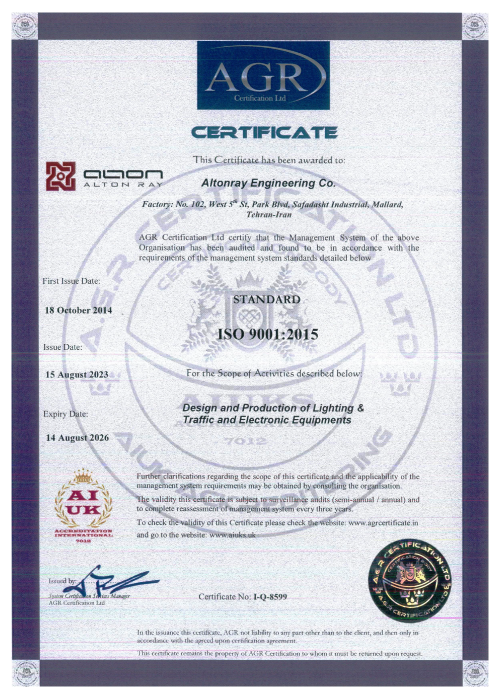
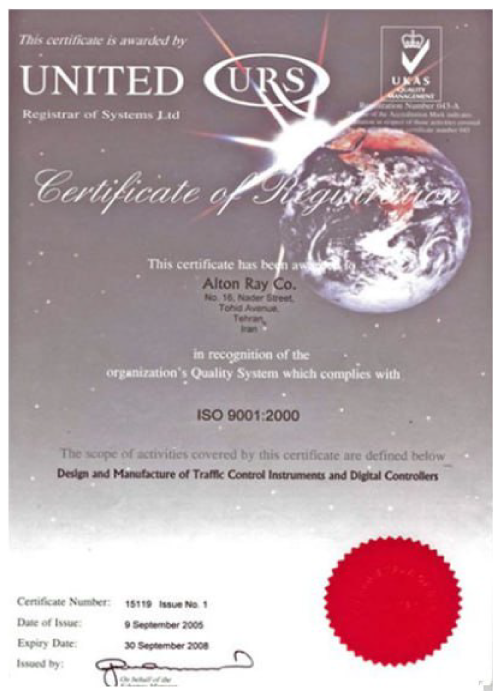
- ISO 9001 (Quality Management System): Provides a framework for quality management systems, helping organizations continuously improve product and service quality.
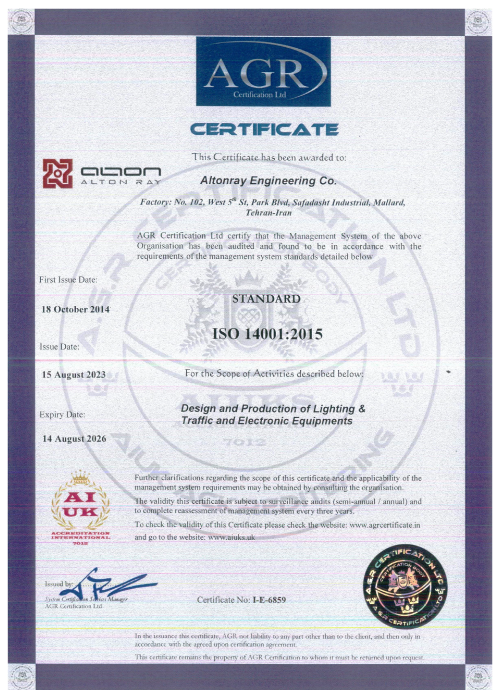
- ISO 14001 (Environmental Management System): Offers a framework for environmental management systems, assisting organizations in reducing the environmental impact of their activities.
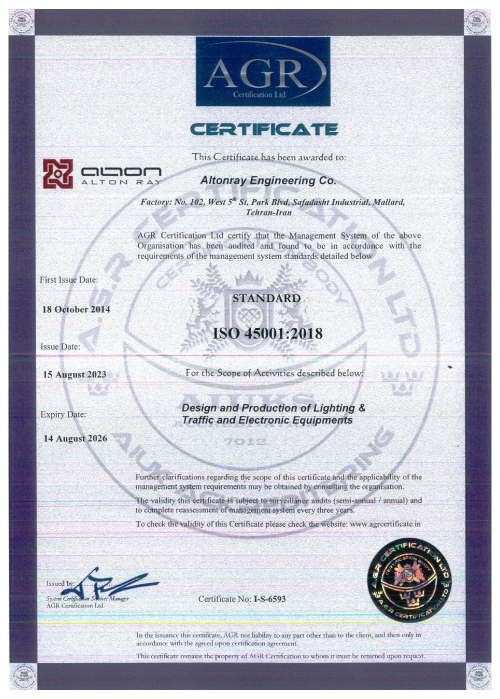
- ISO 45001 (Occupational Health and Safety Management System): Provides a framework for occupational health and safety management systems, helping organizations protect employee health and safety.
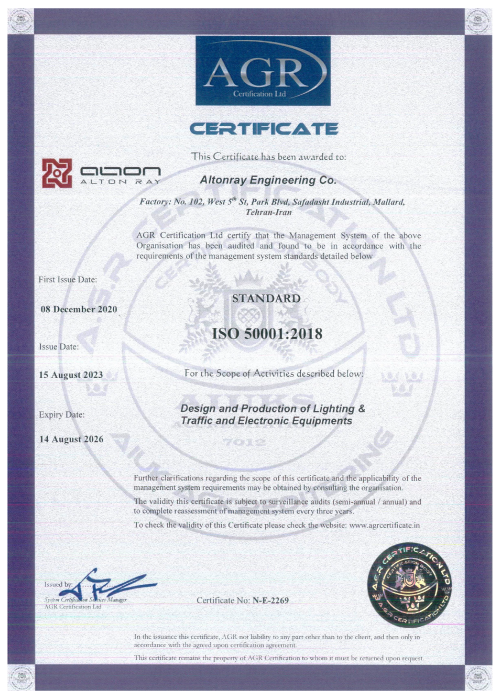
- ISO 50001 (Energy Management System): Offers a framework for energy management systems, helping organizations reduce energy consumption.
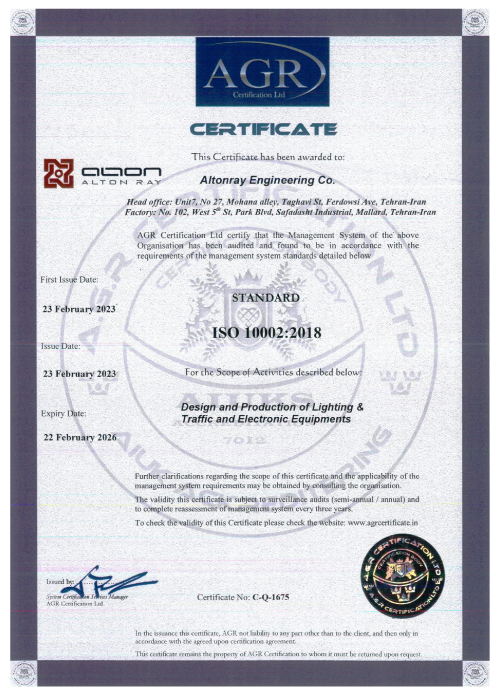
- ISO 10002 (Quality Management – Customer Satisfaction – Guidelines for Complaints Handling): Aims to provide organizations with guidance on planning, designing, developing, implementing, maintaining, and improving an effective and efficient customer complaint handling process. This standard helps organizations adopt a customer-centric approach, viewing complaints as opportunities for improvement.
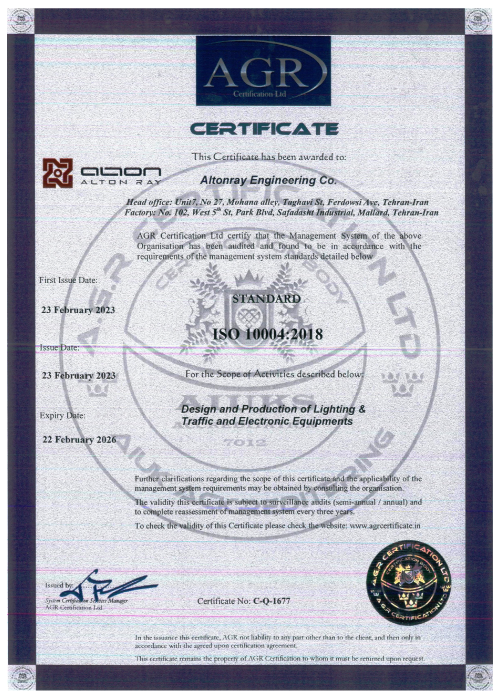
- ISO 10004 (Quality Management – Customer Satisfaction – Guidelines for Monitoring and Measuring): Aims to provide organizations with guidance on planning, designing, developing, implementing, maintaining, and improving an effective process for monitoring and measuring customer satisfaction. This standard helps organizations prioritize customer satisfaction as a key factor for success.
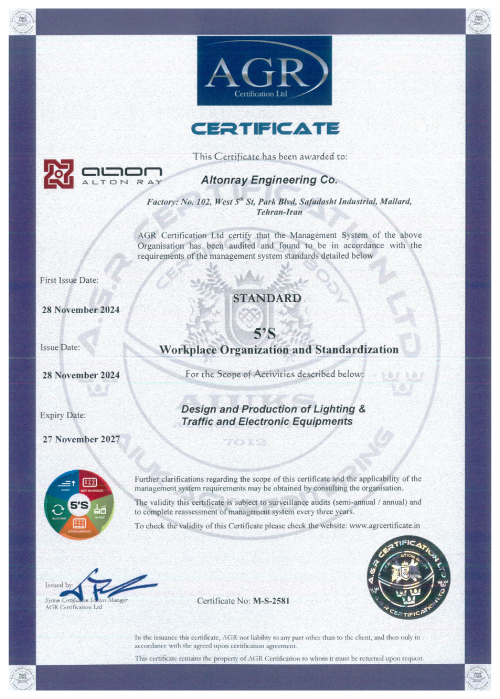
- ISO 5S:
- What is 5S?
- 5S is a systematic methodology for organizing, cleaning, and standardizing the workplace. Its main goal is to create an efficient, safe, and high-quality work environment. The method is derived from five Japanese words starting with “S,” which translate to:
- Sort (Seiri): Separate essential items from non-essential ones and remove unnecessary items from the workplace.
- Set in Order (Seiton): Arrange essential items for easy access and use.
- Shine (Seiso): Regularly clean the workplace and equipment.
- Standardize (Seiketsu): Establish and maintain standards for the first three S’s.
- Sustain (Shitsuke): Maintain and continuously improve the 5S system.
Process for Obtaining ISO Certification:
1.Select the Appropriate Standard:Choose a standard that aligns with your organization’s needs.
2. Implement the Standard’s Requirements:Apply the requirements of the standard within your organization.
3. Audit: An independent auditing organization will audit your management system.
4. Receive Certification: If the audit is successful, your organization will be issued an ISO certificate.
Key Considerations:
- There are thousands of ISO standards, so it is crucial to select one that meets your organization’s specific needs.
- Implementing an ISO management system can be time-consuming and costly, but the benefits often outweigh the costs.
- ISO certification can enhance your organization’s credibility and provide access to global markets.