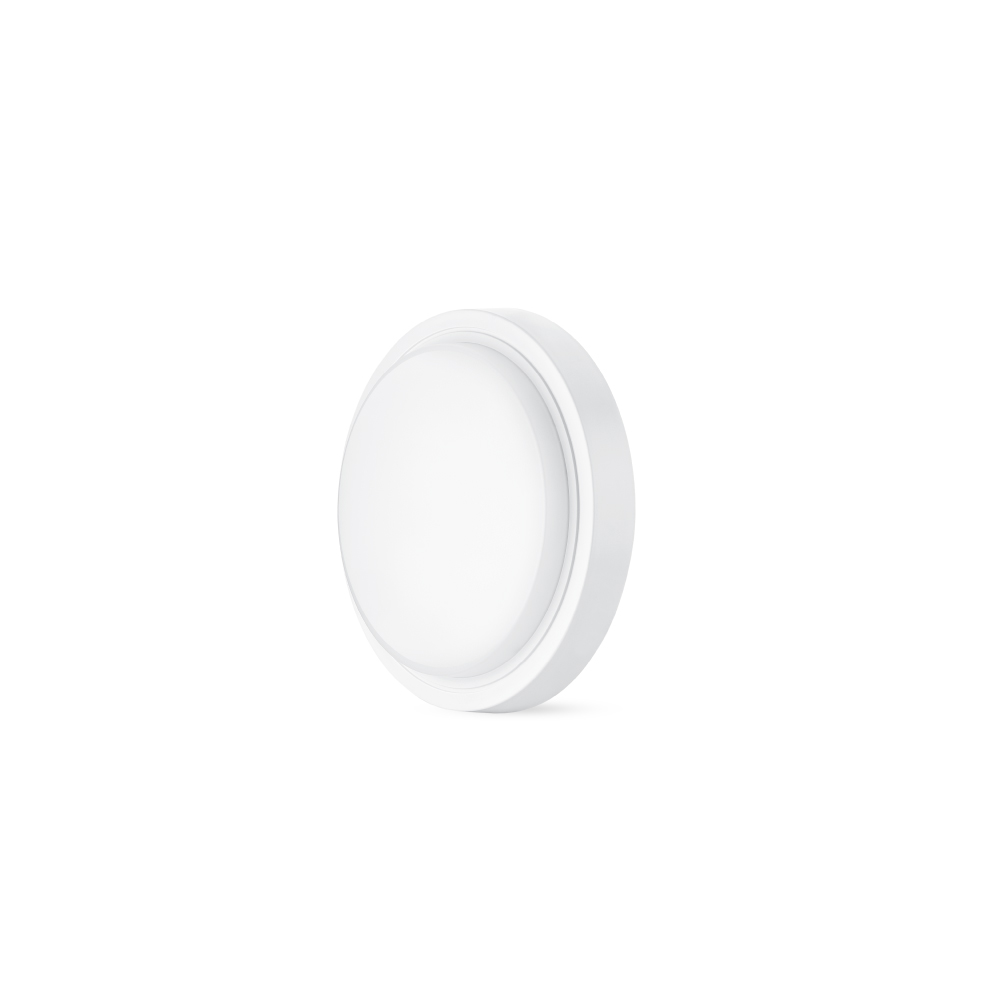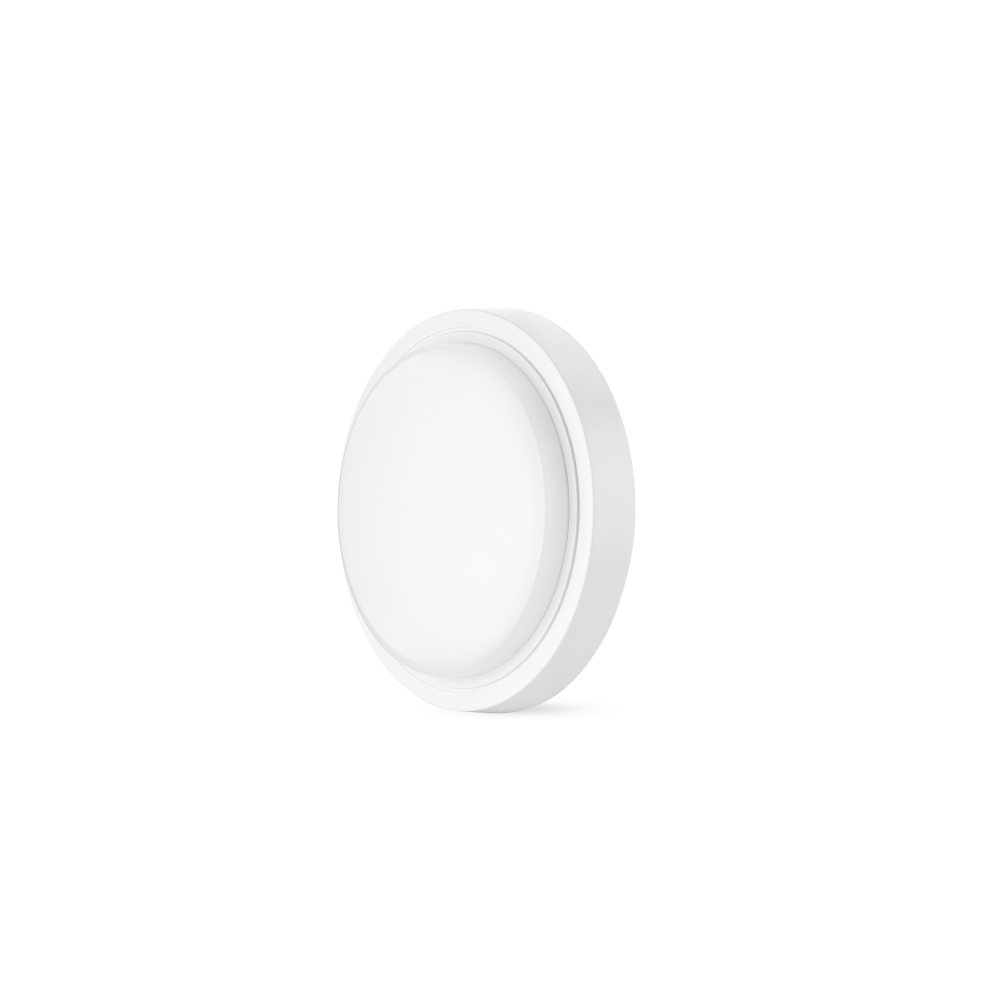
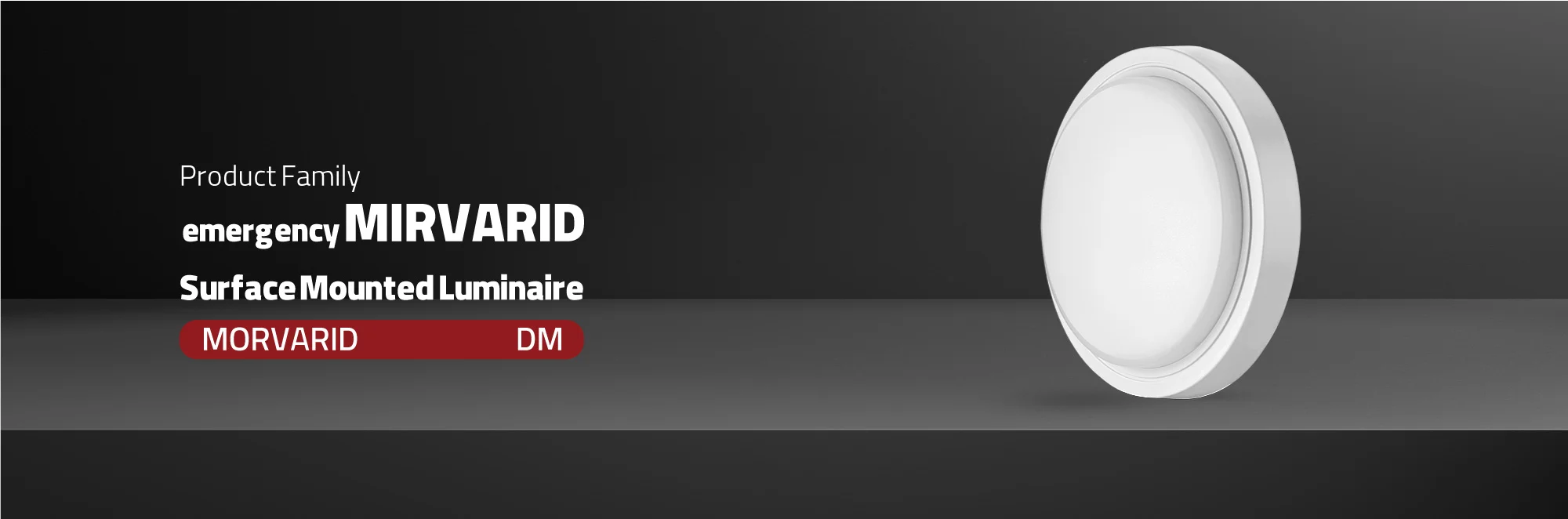
The Morvarid Emergency Series is engineered to solve three problems with one fixture: Lighting, Energy Saving (Sensor), and Safety (Emergency Battery). Instead of installing separate motion sensors and ugly emergency packs, Morvarid integrates everything into a single, clean surface-mounted housing.
Sensor Operation (Normal Mode): Under normal power, the light (15W) turns on automatically when movement is detected (PIR or Microwave) and turns off when the area is vacant, saving massive amounts of energy in common areas.
Emergency Operation (Battery Mode): If the building power is cut, the “Intelligence” is bypassed. The integrated battery instantly powers the LED at a lower level (1.2W), ensuring the stairwell or corridor remains visible for evacuation, regardless of motion.
The DM28 is a specialized “Non-Maintained” unit. It consumes negligible power (1.2W) and remains off/standby, only illuminating when the power fails (or potentially upon sensor trigger depending on wiring), making it a pure safety device.
Question: What is the benefit of combining Sensor and Emergency functions?
Answer: It saves installation time and ceiling space. In a stairwell, you need motion sensors for energy codes and emergency lights for fire codes. The Morvarid Emergency Series meets both requirements in one easy-to-install fixture.
Question: What is the difference between DM27 (PIR) and DM25 (Microwave)?
Answer: DM27 uses PIR (Infrared), which detects body heat and needs a direct line of sight. DM25 uses Microwave, which is more sensitive and can detect motion through thin walls or glass, making it better for large parking areas or complex layouts.
Question: How long does the battery last in emergency mode?
Answer: In emergency mode, the fixture switches to a low-power state (1.2W). The integrated battery is designed to provide illumination for the standard duration required by safety codes (typically 90 to 180 minutes) to allow safe building evacuation.