



Good office lighting is not only about brightness. Glare, uneven light, flicker and the wrong colour temperature cause eye strain, headaches and lower concentration, even when the lux level looks fine on paper. This guide explains the key numbers from the European standard EN 12464-1 (UGR, desk lux, uniformity and CRI) and shows how to choose LED panels and luminaires for a healthy, efficient workplace.
Looking for fixtures? Explore Alton Ray office LED lighting, including the 60×60 LED panel range, and linear LED lighting for open-plan spaces.
Key Office Lighting Requirements (EN 12464-1)
| Area / task | Maintained illuminance (Em) | UGR limit | Uniformity (Uo) | Min. CRI (Ra) |
|---|---|---|---|---|
| Writing, typing, reading, computer work | 500 lux | < 19 | 0.60 | 80 |
| Technical drawing / CAD | 750 lux | < 16 | 0.70 | 80 |
| Meeting and conference rooms | 500 lux | < 19 | 0.60 | 80 |
| Reception desk | 300 lux | < 22 | 0.60 | 80 |
| Archives | 200 lux | < 25 | 0.40 | 80 |
| Corridors | 100 lux | < 28 | 0.40 | 80 |
What Is UGR and Why Must It Be Below 19?
UGR (Unified Glare Rating) measures discomfort glare from luminaires in the field of view. The scale typically runs from 10 (no perceptible glare) to 30 (intolerable glare). For screen work, EN 12464-1 requires UGR < 19. Above this value, bright spots in the ceiling reflect on monitors and force the eye to constantly adapt, which leads to fatigue within a few hours.
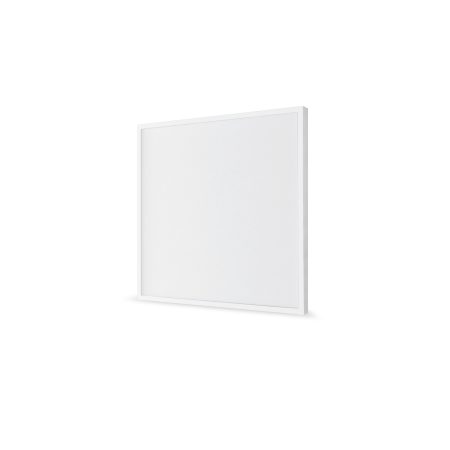
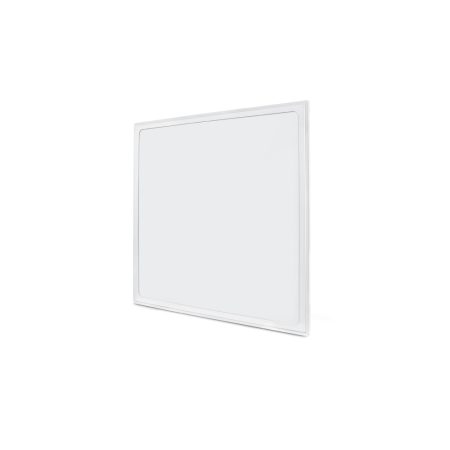
Low-glare panels achieve UGR < 19 with a micro-prismatic (MPR) diffuser or a deep anti-glare louvre that limits luminance at high viewing angles. Standard opal diffusers usually give UGR 22–25, which is fine for corridors but not for workstations. Always check the UGR value in the luminaire datasheet, calculated for your room size.
Desk Illuminance: Is 500 Lux Enough?
500 lux on the task area is the baseline for office work. The area immediately surrounding the desk should receive at least 300 lux, and the background at least one third of the task level, so the eye does not jump between very bright and very dark zones. Older employees need noticeably more light: a 60-year-old eye receives roughly a third of the light that a 20-year-old eye does, so 750 lux at desks for older teams is a sensible design target.
Also consider vertical illuminance (light on walls and faces). Bright walls and ceilings make a room feel open and support video calls, while a dark ceiling over a well-lit desk creates a “cave effect”.
Want UGR < 19 Without the Guesswork?
Share your room sizes and ceiling type. We recommend the right 60×60 LED panel and confirm desk lux and glare with a free DIALux study.
Low-Glare Office Panels
60×60 recessed and surface panels for desks and meeting rooms. See all →
Uniformity, Colour Rendering and Colour Temperature
- Uniformity (Uo ≥ 0.6): the ratio of minimum to average illuminance on the task area. Good spacing between panels and wide light distribution prevent dark patches between desks.
- CRI ≥ 80: the minimum for offices. CRI 90 is recommended for design studios, print shops and any place where colours are judged.
- Colour temperature: 4000 K (neutral white) is the most common choice for offices because it supports alertness without feeling cold. 3000 K suits lounges and executive rooms, while 5000–6500 K is often used in classrooms and clinics.
Eye Health: Flicker, Blue Light and Human Centric Lighting
Cheap LED drivers can produce invisible flicker that still causes eye fatigue and headaches. Look for flicker-free drivers (low percent flicker, SVM < 0.4) and avoid lamps that shimmer in a phone camera. Quality LED panels with a correct colour temperature do not pose a blue light hazard in normal office use (risk group RG0 or RG1).
Tunable White or human centric lighting goes one step further: colour temperature and intensity follow the natural daylight rhythm, cooler and brighter in the morning, warmer in the afternoon. This supports the circadian rhythm, alertness and sleep quality of staff who spend the whole day indoors.
Choosing the Right Office Luminaire
| Space | Recommended luminaire | Tip |
|---|---|---|
| Open-plan office | 60×60 recessed LED panel, UGR < 19 | Align rows parallel to windows and use daylight sensors |
| Private office | Low-glare panel or suspended linear light | Add warm accent light for a comfortable atmosphere |
| Meeting room | Dimmable panels + downlights | Use scenes for presentations and video calls |
| Concrete or plaster ceiling | Surface-mounted LED panel | No false ceiling required |
| Corridors and long spaces | 30×120 or linear luminaires | Presence sensors save energy |
Browse Alton Ray office LED panels and luminaires in recessed and surface-mounted versions, or linear LED lighting for modern open-plan spaces.
Energy Savings with Smart Controls
Replacing a 4×18 W fluorescent troffer (about 80 W with ballast) with a 40 W LED panel halves the energy use at the same or better light level. Adding daylight harvesting, presence detection and DALI dimming typically saves another 30–50%. Lighting is often a fifth of an office building’s electricity bill, so the payback period of an LED retrofit is usually short.
Office Lighting Checklist
- 500 lux at desks, 300 lux in surrounding areas
- UGR < 19 for all screen workstations
- Uniformity of at least 0.6 on the task area
- CRI 80 or higher, 4000 K for general work areas
- Flicker-free drivers and dimmable control
- Bright walls and ceiling, no reflections on monitors
Linear and Pendant Lights for Modern Offices
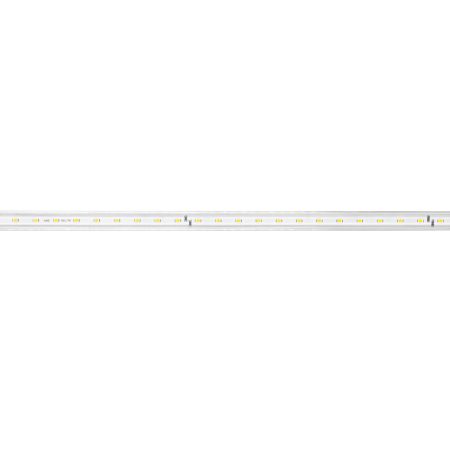
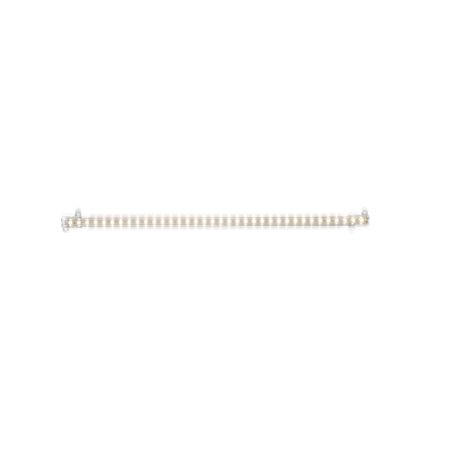
Direct and indirect linear luminaires for open-plan spaces. See all →
Upgrading an Existing Office to LED?
Tell us how many fluorescent troffers you have. We calculate the energy savings and payback period of an LED retrofit for you.
FAQ
How many lux does an office need?
EN 12464-1 requires 500 lux on desks for reading, writing and computer work, 300 lux at reception and 100 lux in corridors.
What UGR value is good for an office?
Below 19 for computer work and below 16 for technical drawing. Lower UGR means less discomfort glare.
Which colour temperature is best for an office?
4000 K neutral white is the most widely used. Tunable White systems that change from cool to warm during the day are even better for wellbeing.
How many 60×60 panels do I need for a 20 m² office?
With 4,000–5,000 lumen panels and a 2.7–3 m ceiling, two to three panels usually reach around 500 lux. For an exact layout, contact Alton Ray for a free DIALux calculation.